
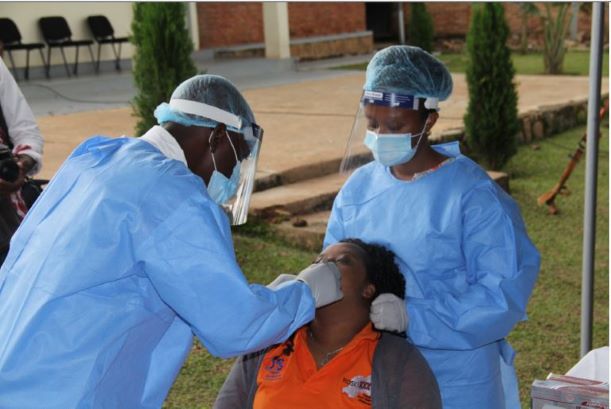
On March 21st, RDSO hosted a celebration of World Down Syndrome Day (WDSD) at its office. The 2021 WDSD was celebrated with the COVID-19 guidelines in mind, thus only select individuals with Down Syndrome who are self-advocates together with their guardians, a number of guest speakers in the healthcare and special education profession, and the media were invited. As the invitees followed the talks, self-advocates took a turn to participate in dental screening organized by RDSO and Rwandan dentists. The purpose of the WDSD this year was to raise awareness and educate participants on different aspects of living with Down Syndrome with a theme of staying healthy during the COVID-19 pandemic.
The event was debuted by the vice-chairperson of RDSO, Ms. Edwige Musabe, introducing the self-advocates and recognized the collaboration that RDSO has had with healthcare professionals and media to improve the lives of people with Down Syndrome through channeling information to raise awareness, advocate, and educate about Down Syndrome. She welcomed the guest speakers to start speaking to the self-advocates and their guardians.
Speakers were from diverse area of healthcare (pediatric nursing, neonatology, occupation therapy, speech, and language therapy, clinical psychology, and odontology) and special education. The speakers often spoke about how families can co-live with the congenital disabilities of their children with Down syndrome, reminding families to consider raising kids with Down Syndrome as a shared responsibility of both parents. The value of sex education and parents’ obligation to engage their children in activities that build them to grow as independent individuals were emphasized on, giving an example of a self-advocate, Imena, who do handcrafts like jewelry making and sell them. One particular speaker who is a special educator encouraged parents to change how they view their kids with Down Syndrome; she explained that as parents undermine their children’s capabilities by holding lower expectations towards, it translates into parents teaching them fewer skills than they teach normal developing children.
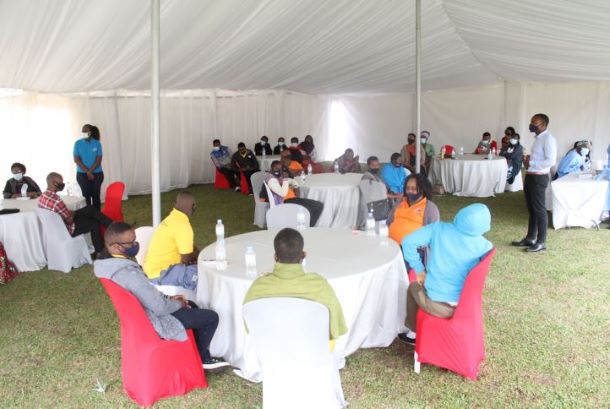
The talks also urged the parents to fight for inclusion in schools because even if individuals with Down Syndrome are often slower than their normally developing peers, they can learn the same skills. In response to inclusion in schools, parents expressed that they are reluctant to bring their kids to normal schools due to the stigma they endure, as some have been denied enrollment for their kids only because of their disability. And so, the speakers reminded them that they have the right to inclusion in schools and they should not back down, maintaining that even though parents are worried about the social perception of their kids, they should not get discouraged to fight for the well-being of their kids, especially girls who are prone to sexual violence.
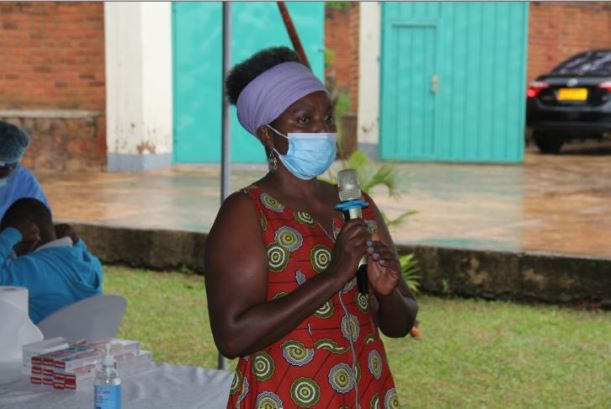
The guardians of self-advocates also took turns to express how they were happy with the initiative of dental screening as some of them discovered dental issues that they were not aware of. One guardian, in particular, shared her experience raising a kid with Down Syndrome, the challenges, and the knowledge she got from the experience. She motivated other guardians to keep supporting the work of RDSO in raising awareness and advocating for their children.